Fine Art
Never touch the surface of a smoke-damaged painting with your bare hands; the oils from your skin can react with the soot and cause permanent staining.
The first 24 to 48 hours determine what can be rescued and what is lost. Rescue Packout provides the professional “Stop-Loss” tips you need to stabilize your home in Kansas City and Denver while help is on the way.
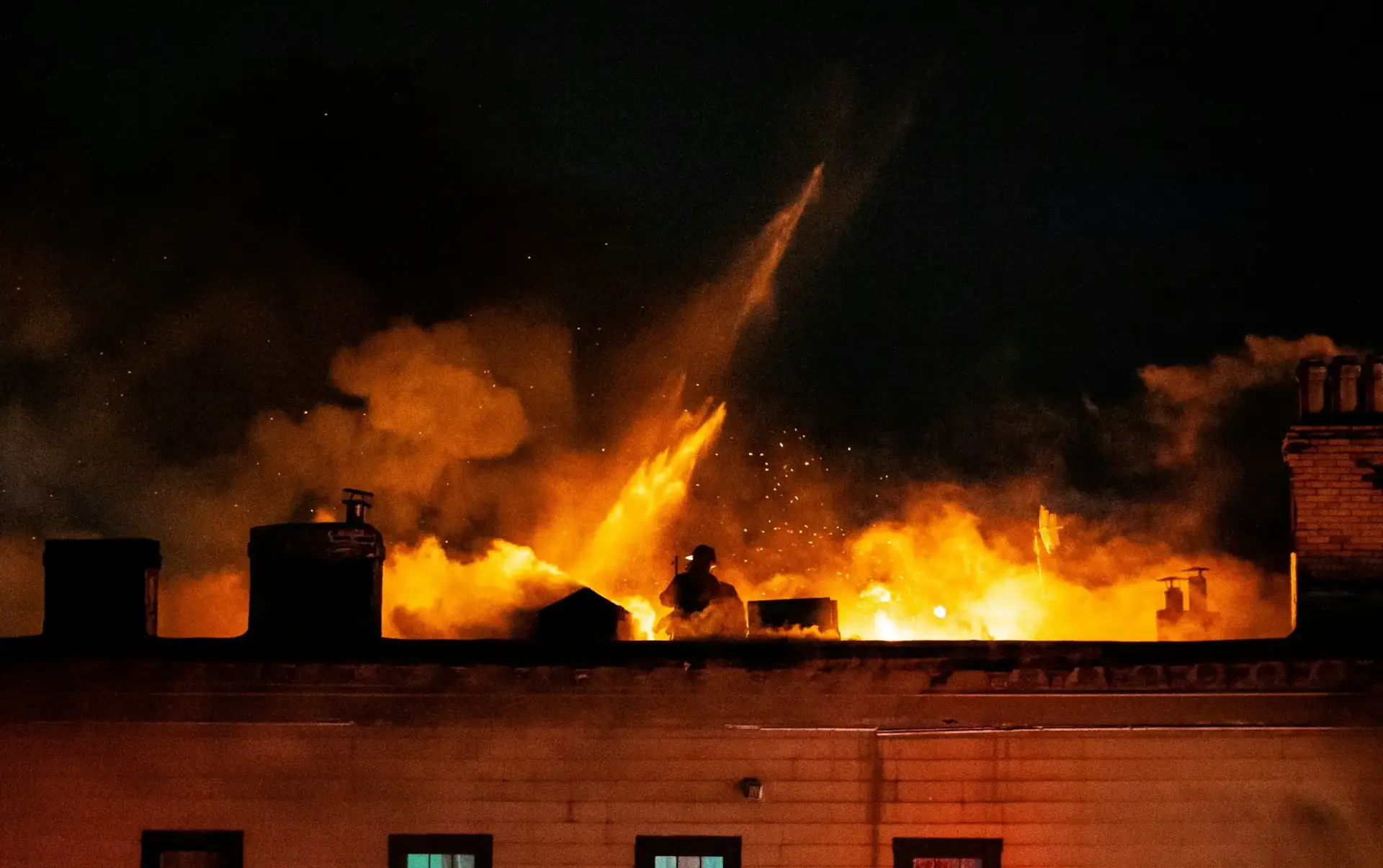
Soot is acidic. If left sitting, it can permanently etch into glass, metal, and wood finishes.
Change your HVAC filter immediately to stop soot from recirculating.
Place plastic wrap or foil under furniture legs to prevent “wicking” of soot into carpets.
Use a standard household vacuum. This will force soot deeper into the fibers and blow fine particulates back into the air.
Attempt to wash soot-covered walls or upholstery with water. Without the right chemicals, you will create a permanent “smear” that cannot be removed.
In the humidity of Kansas City or the basement floods of Denver, mold starts fast.
Move high-value items (photos, small electronics) to a dry, climate-controlled area immediately.
Wipe down wooden furniture to remove standing water, but leave the deep drying to the professionals to prevent cracking.
Use a standard fan to dry an area if you suspect mold. This will simply spread spores throughout the rest of your home.
Leave wet books or papers in a pile. If you can’t dry them immediately, place them in a freezer bag and freeze them to stop the ink from bleeding and mold from growing.
Never touch the surface of a smoke-damaged painting with your bare hands; the oils from your skin can react with the soot and cause permanent staining.
DO NOT turn on any electronic device that has been exposed to smoke or water. A “quick test” is the most common way to permanently short-circuit a restorable device.
Do not take smoke-damaged clothes to a standard dry cleaner. They require specialized molecular deodorization that standard cleaning cannot provide.